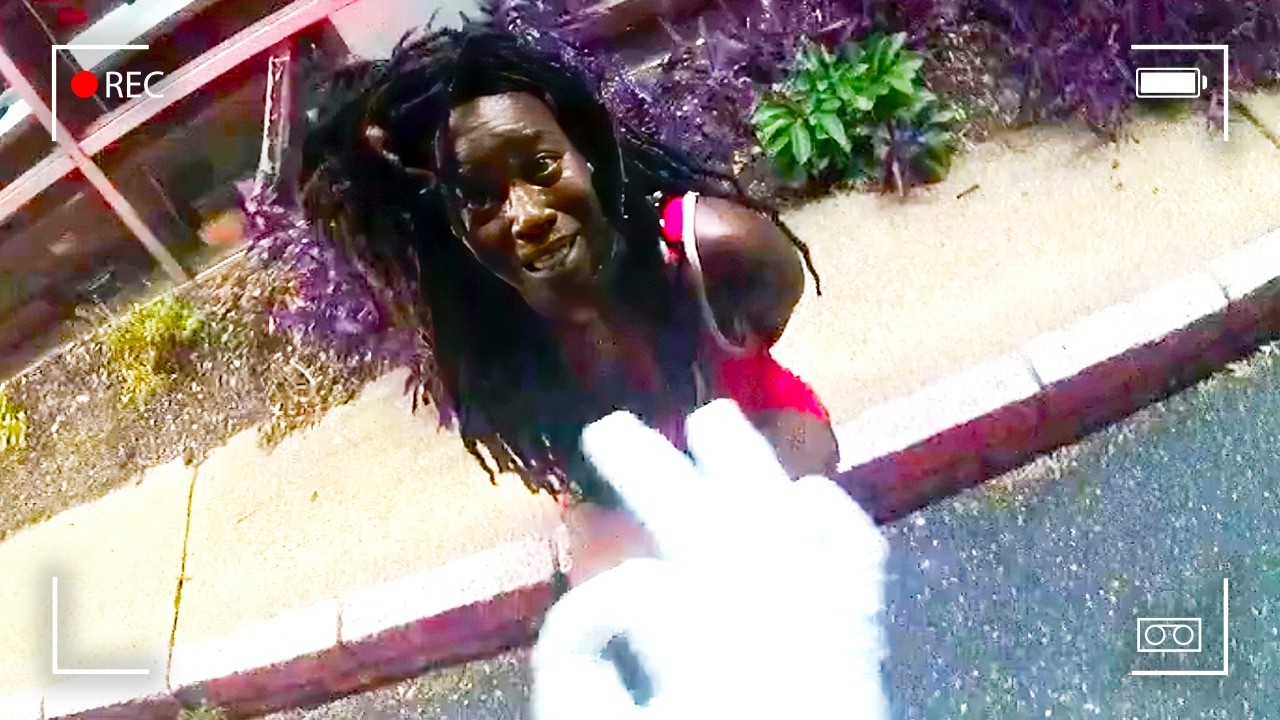
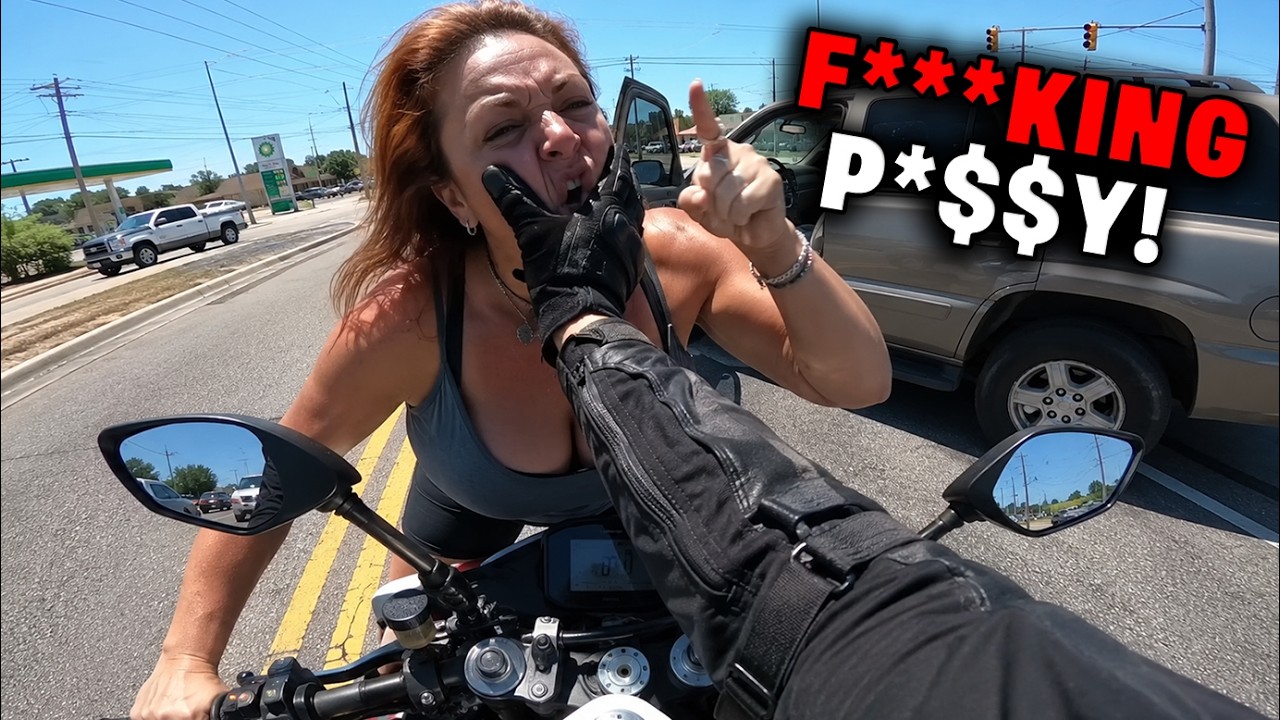
WHEN BIKERS FIGHT BACK | Crazy Motorcycle Moments #419
I Investigate Motorcycle Claims. Your Fight Back Videos Are Evidence.
I watch helmet camera footage for a living. Somewhere between four and six hours of it on a normal day, for eleven years, which means I have almost certainly watched more motorcycle point of view video than anyone you will ever meet. I am not a rider. My brother is, which is why I took the specialty in the first place.
I want to tell you about a claim from about three years ago, because it changed how I do my job and because every rider I have told it to has gone quiet in the same specific way.
His name was Rhys Callander. He was thirty one. He was riding home on a Thursday, in the right lane of a four lane road, doing three miles under the posted limit, and a car merged into him.
That is the whole incident. It is not complicated and it was never complicated. The driver did not check the mirror, did not signal, and came across the line, and Rhys went down and slid and broke a collarbone and an ankle and lost his bike.
He had a camera on his helmet. The footage is about as clear as anything I have ever received. You can see the car drift, you can see the gap close, and you can hear Rhys' brakes. There is no ambiguity in it at all. In eleven years I have maybe seen thirty clips that clean.
Liability should have taken me two days. It took eleven months, and he ended up settling for a fraction of what that claim was worth, and none of that had anything to do with what happened on that road.
It had to do with his channel.
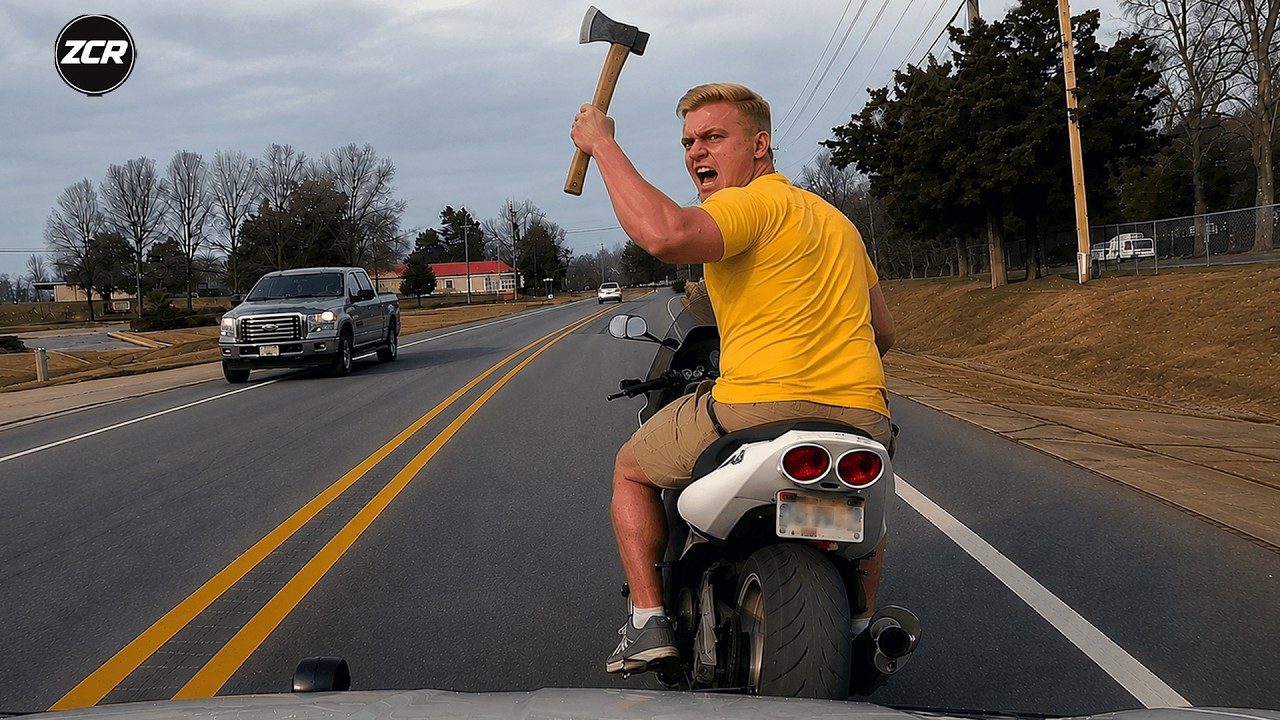
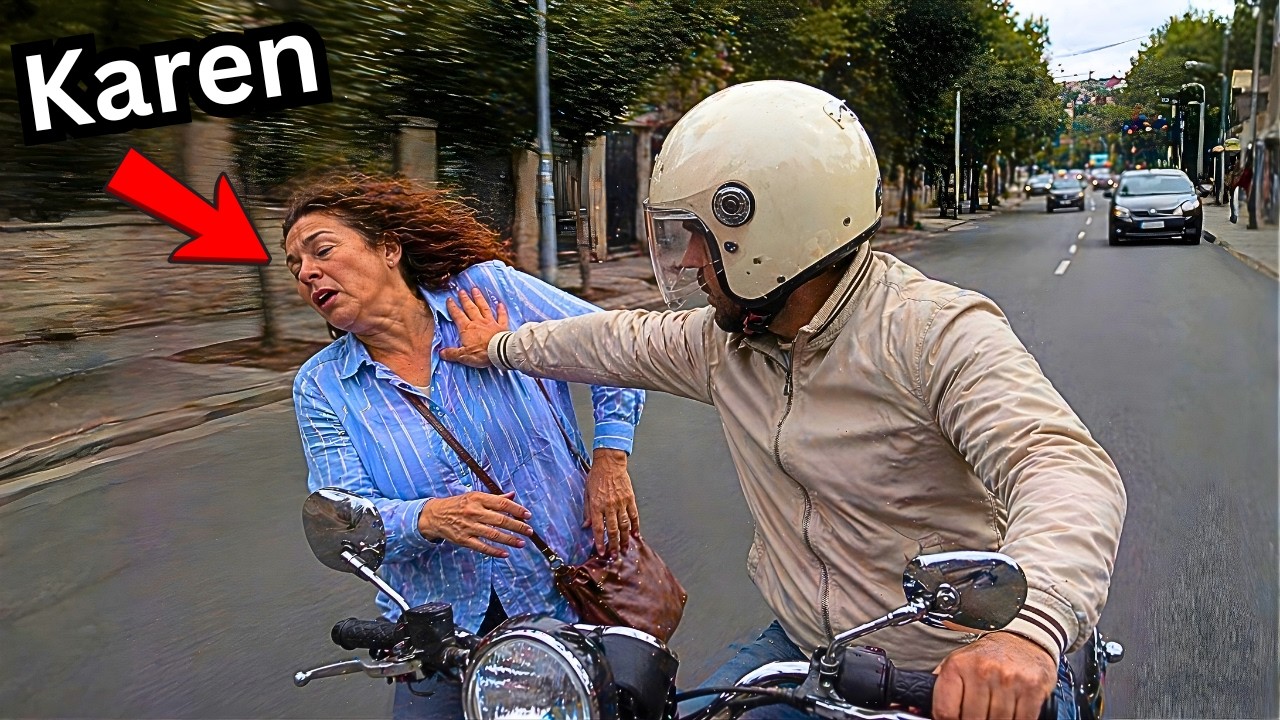
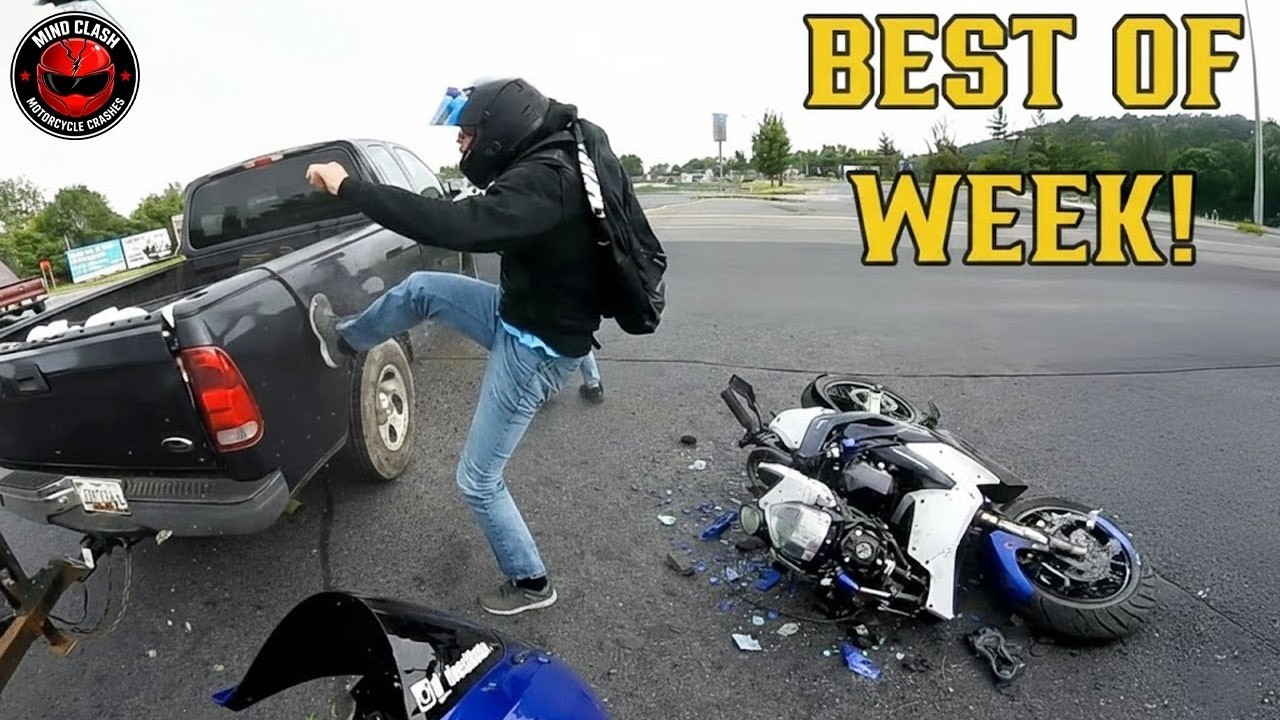
Rhys had about sixty thousand subscribers. He posted helmet camera video, two or three times a week, and the content was exactly what that genre is. Confrontations at lights. Riding away from people who cut him off, filmed and captioned. A recurring bit where he would tap a mirror and keep going.
His titles were the titles. Biker fights back. Cager gets what he deserves. That kind of thing.
None of it was criminal, as far as I could tell. Most of it was not even particularly egregious by the standards of the genre. But it was three years of footage of a man being confrontational on a road, uploaded voluntarily, publicly, with his own captions telling you how to interpret it.
The other side's attorney was a woman named Whitney Osgood, and she is very good at her job, and what she did with that channel is the reason I now give a specific speech to every rider who will listen to me.
She did not dispute the crash footage. She could not, and she was too smart to try.
What she did was build a picture of the man. She put together about nine minutes of his own uploads, in chronological order, and every single second of it was footage he had chosen to post, captioned by him, presented in the way he had presented it to sixty thousand people.
Then she made a simple argument. Not that he caused this crash. That he had spent three years demonstrating a pattern of aggressive interaction with drivers, that he sought out and escalated confrontations for content, and that a reasonable person should consider whether he had positioned himself in that lane the way a person avoiding trouble would.
That argument is not airtight and it is not really about liability at all. It did not have to be. It was about what a jury would think of him if this went to trial, and every person in that mediation room knew exactly what a jury would think, including Rhys.
His own attorney told him to settle. That advice was correct.
So here is the thing I want riders to sit with. His camera saved him and his channel destroyed him, and it was the same camera.
The footage from the crash was the single best piece of evidence in the file. The footage from every other day of his life was the reason it did not matter. He recorded his way into an unbeatable factual position and posted his way out of it.
I have now seen versions of this in probably two dozen claims. It has become one of the first things I check, and I need to be honest that I check it because it is my job to establish what actually happened and a person's public conduct is legitimately relevant, and also because it is extremely effective, and those two facts sit in the same sentence uncomfortably.
Here is the part that most riders do not know, and this is the part that made me change how I talk about all of it.
Opposing counsel did not find those videos on his channel.
She got them from a compilation. His footage had been scraped, reposted, and packaged into third party videos years earlier, and those compilations are indexed, searchable, and archived in ways that his own account never was.
He had deleted some of the originals. Everybody does eventually, when they get older or take a job or just cringe at their twenty six year old self. He had cleaned up his channel about eight months before the crash.
It did not matter even slightly. Every one of those clips existed in five other places, uploaded by strangers, under titles he did not write, with no way to contact anybody and no mechanism to request removal that goes anywhere.
And there is a further layer that I am going to describe plainly, because I think people should know it exists. The firm on the other side used a research service. Those services index public video content at scale, including compilation channels, and they will run a name, a bike, a plate, a helmet design, a jacket, a channel handle.
My own employer subscribes to something similar. I have used it. I want to be clear about my own hands here, because it would be dishonest to write three thousand words criticizing a system I participate in and bill hours to.
The compilation ecosystem, which everybody thinks of as junk entertainment for autoplay, has quietly become an evidence pipeline. Your worst forty seconds, uploaded by a stranger for advertising revenue, is durable, searchable, and admissible in ways that will outlast every account you ever delete.
I went home the night that mediation ended and I called my brother.
Teddy is thirty six and has been riding since he was nineteen and had, at that point, a channel with about four thousand subscribers. He posted the same stuff everybody posts. He had a video up that week called something like idiot driver gets a lesson.
That was the hardest phone call I have made in my professional life, because I had to explain to my own brother that the thing he did for fun on Sundays was a liability file with his name on it, sitting in public, waiting for a day that might never come and that would be catastrophic if it did.
He argued with me for about twenty minutes. His position was reasonable. He said he films for safety. He said if something happens the footage protects him. He said everyone he rides with does the same thing.
And he is right about all of that, which is exactly the trap.
The recording protects you. The posting does not. Those are two entirely separate decisions and the entire culture has fused them into one, because the camera came with an audience attached and nobody stopped to notice that they are different activities.
So here is what I tell riders now, and I have given this speech at two rider safety events and about four hundred times in my own kitchen.
Record everything. Genuinely. A helmet camera is the single most valuable thing a rider can have in a liability dispute and I will say that in any forum, including under oath. In a car versus motorcycle claim without video, the rider starts at a disadvantage that has nothing to do with fault and everything to do with assumptions people carry.
Then keep it. Do not post it.
If something happens, that footage goes to your insurer and your attorney. That is its entire job. The moment it goes on a channel it stops being evidence and becomes character, and character is the thing they will fight you on, because they usually cannot fight you on the crash.
Do not narrate. This one surprises people. If you talk while you ride, you are producing testimony, and you cannot cross examine a clip. I have seen a claim turn on a rider muttering an insult under his breath eleven seconds before an impact that was entirely the other driver's fault.
And do not chase content. This is the one that matters most and it is the hardest, because the incentive is real and it works. A confrontation gets views. Riding home calmly gets nothing. Every rider with a channel has felt the pull to stay in a situation slightly longer than they needed to.
I have watched, in the raw footage of people's own uploads over multiple years, riders slowly become more confrontational as their subscriber count grows. It is not subtle when you can see three years of it in an afternoon. Rhys was not an aggressive man in year one. He was funny and careful and he mostly rode away.
The channel taught him what got rewarded. It took about eighteen months.
I do not think he ever noticed it happening, and when Whitney Osgood played those nine minutes in chronological order in that room, I watched him watch himself change, and I am not going to forget his face.
There is one more thing I should say, in fairness, because I have spent this whole piece on the way this hurts riders.
The same dynamic has helped riders in claims I have handled, and it has helped them a great deal. I have seen a driver's own social media wreck their credibility completely. I have had a case where the other party's public posts about their commute times destroyed their account of what speed they were traveling.
It cuts every direction. That is not a comfort, it is a description of the environment. Everybody is producing evidence about themselves constantly now, and the only real variable is who is looking and when.
Teddy took his channel down. It took him about a year to actually do it, and he did not do it because I asked. He did it after a friend of his had a crash that was not his fault and had a very bad six months for reasons that had nothing to do with the crash.
He still runs two cameras. He has never posted since. He has a hard drive with three years of unremarkable commuting on it and one nine second clip from last spring that saved him about eleven thousand dollars.
Rhys, for what it is worth, is riding again. The collarbone healed. The ankle is the kind of thing where he can tell you when it is going to rain.
He does not post anymore either. We spoke once, months after, and he said the thing that has stayed with me. He said the crash cost him a bike and the videos cost him the case, and that he had spent three years thinking the camera was on his side.
The camera was on his side. It always was. He just also handed a copy of everything else to anybody who wanted it, for free, forever.
So watch the compilation. I am not going to pretend I have never watched one, and there are riders in those videos who genuinely are in the right and who genuinely are being brave.
Just understand what you are looking at when a rider posts one. That is not a highlight reel. That is a deposition he has not been asked for yet, and somebody like me will be able to find it long after he has forgotten he made it.
The footage is below. Watch it, and then ask yourself who else is going to be watching it in four years, and what they will be looking for.
Full Video
Comments (0)
Loading comments...
May You Like
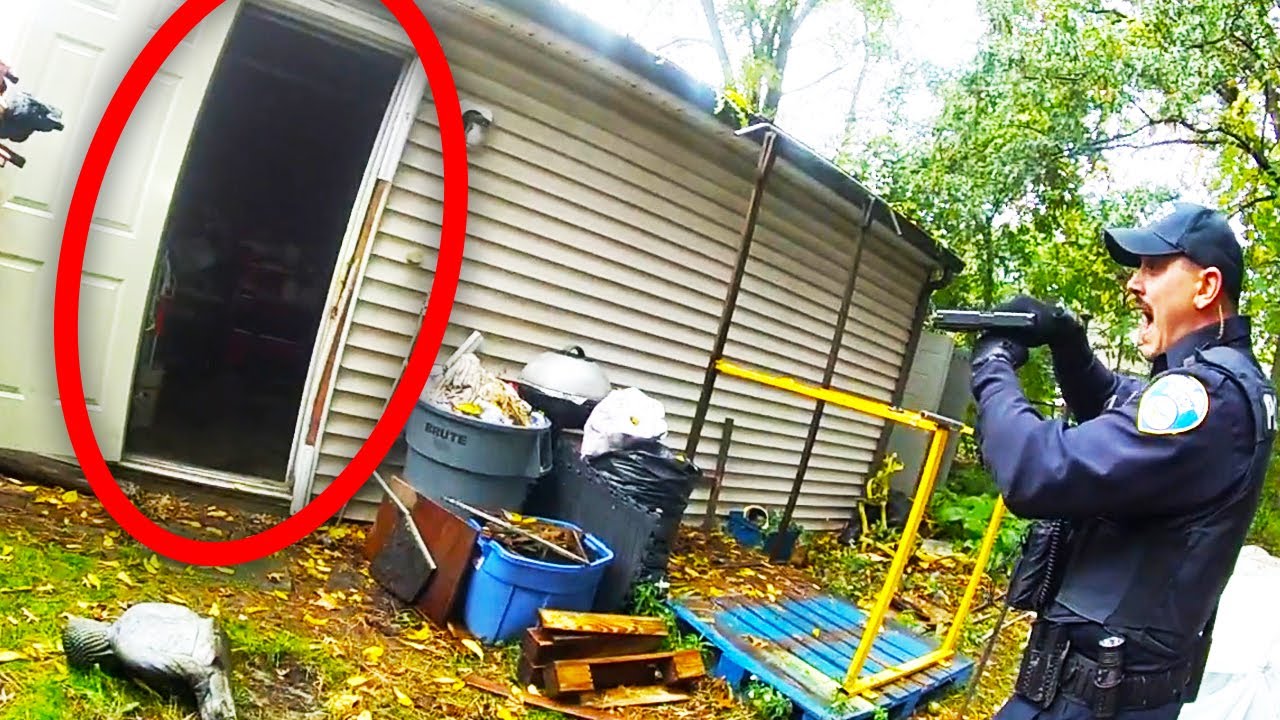
Simple Trespass Incident Takes a Horrifying Turn
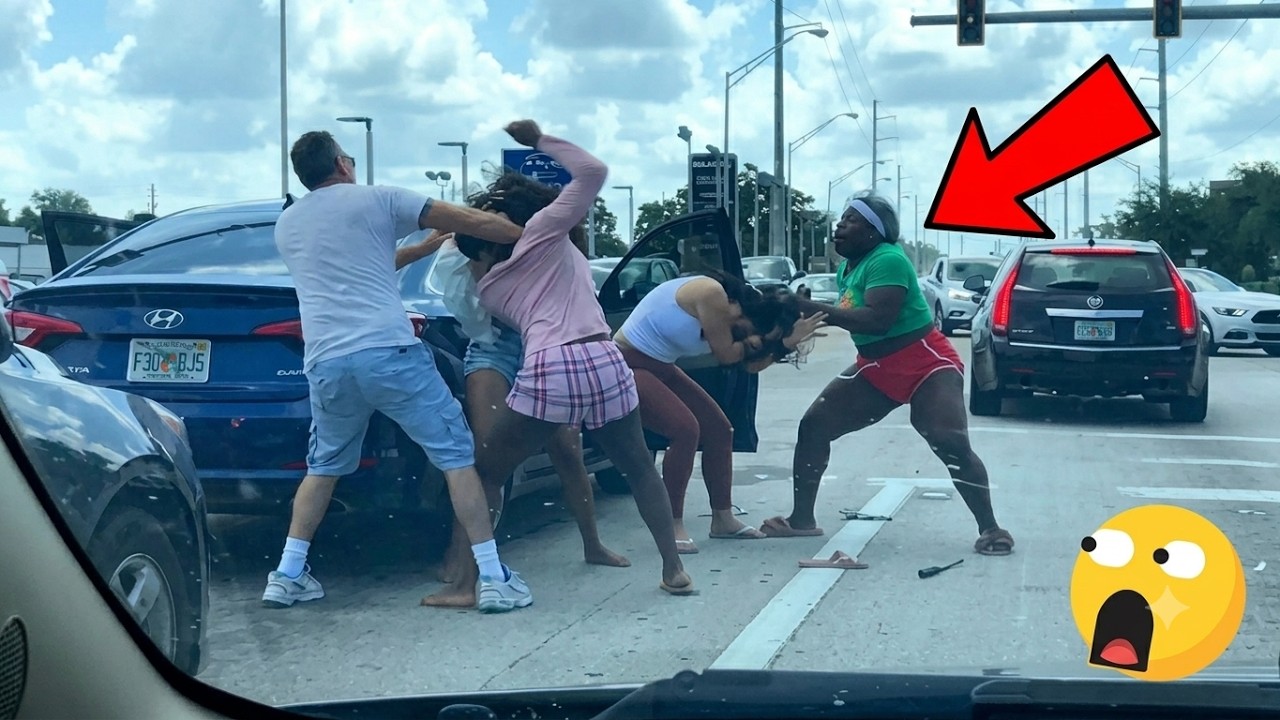
BEST OF ROAD RAGE| Most Insane Dashcam Videos of the YEAR
Latest Posts
Popular Posts
WHEN BIKERS FIGHT BACK! | CRAZY BIKER MOMENTS
Sep 12, 2026
Simple Trespass Incident Takes a Horrifying Turn
Sep 12, 2026